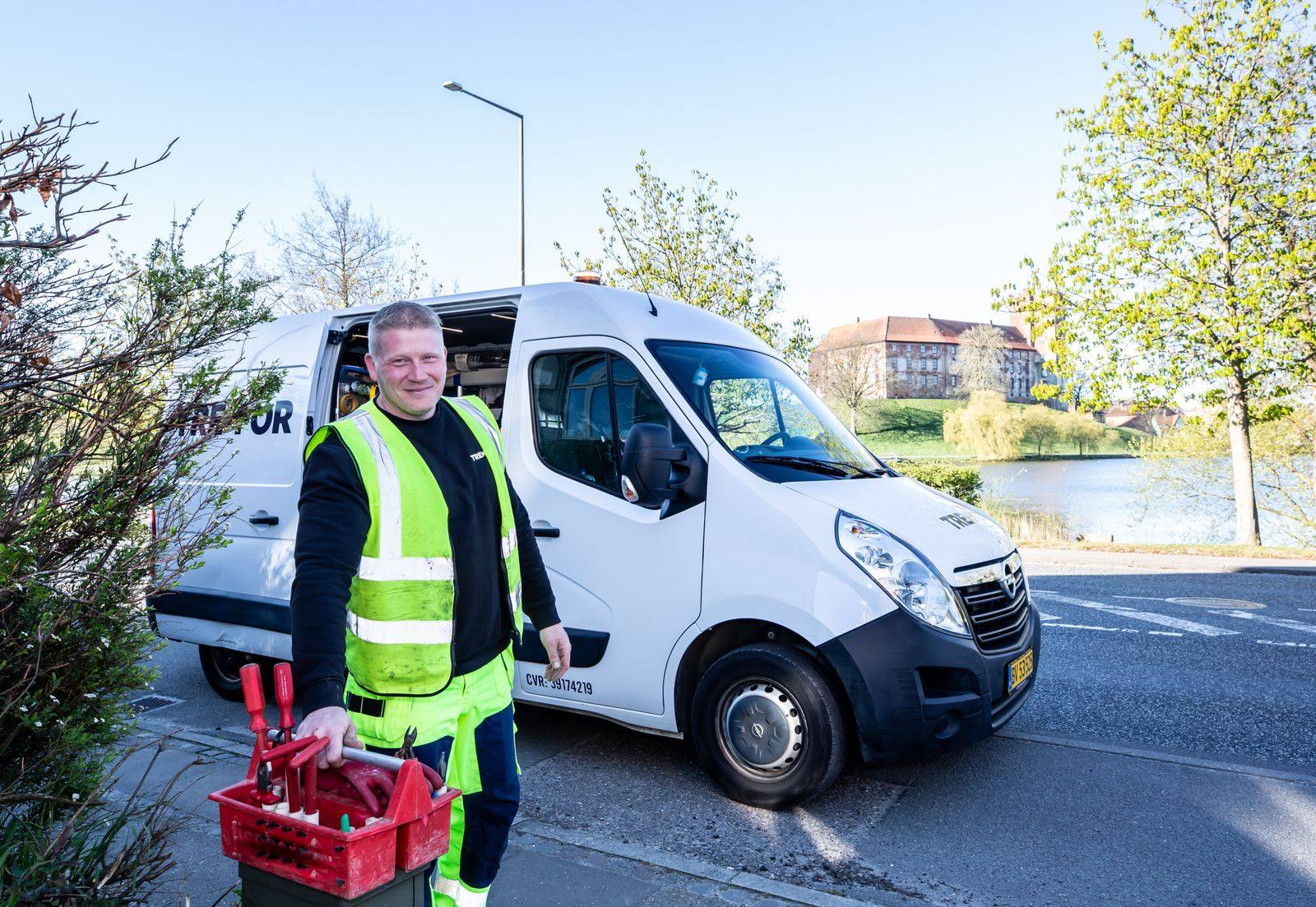
A gas water heater is a refreshingly simple machine, which is part of why it lasts. A burner under the tank heats the water, exhaust rises through a flue that runs up the center of the tank, and a gas control valve on the front acts as both thermostat and safety shutoff. That valve only lets gas reach the burner while it senses a flame, through a thermocouple on standing-pilot models or a flame sensor on electronic ignition models. Most failures trace back to one of those parts. In Irvine, CA, we regularly find thermocouples that no longer hold the valve open, pilots starved by a lint-clogged flame arrestor screen, gas valves that have failed internally, and flue or vent problems that let exhaust spill back into the room.
Diagnosing a gas water heater properly means checking combustion, not just parts. Across Irvine, our technicians measure thermocouple output in millivolts, study the pilot and burner flame for color and shape, read gas pressure at the valve, and test draft at the hood so we know exhaust is leaving the house. We check the combustion chamber for soot and scorching, which point to a blocked flue or poor combustion air, and we test for carbon monoxide near the heater. Keep one rule in mind: a gas smell means leaving the house and calling the gas utility from outside before anything else, and Irvine Water Heater can take over from there.
Most gas water heater repairs are finished in a single visit. We replace thermocouples, flame sensors, pilot assemblies, and igniters, clean burners and flame arrestor screens, swap failed gas control valves, and correct vent connectors that have separated or lost their slope. We also flush sediment, the cause of that popping or rumbling sound and a major reason tanks overheat at the bottom and fail early. When the tank itself is leaking or the heater is deep into its service life, we tell you honestly and walk you through replacement. New installations are sized by first-hour rating, not just gallons, and include the right venting, a sediment trap on the gas line, an expansion tank where needed, and seismic straps and a drain pan where code requires them. Call (949) 810-4973 and we will have a technician on the way.
Most of our service calls are for Water Heater Repair in Irvine and Water Heater Installation in Irvine. Start there if you're not sure what you need.
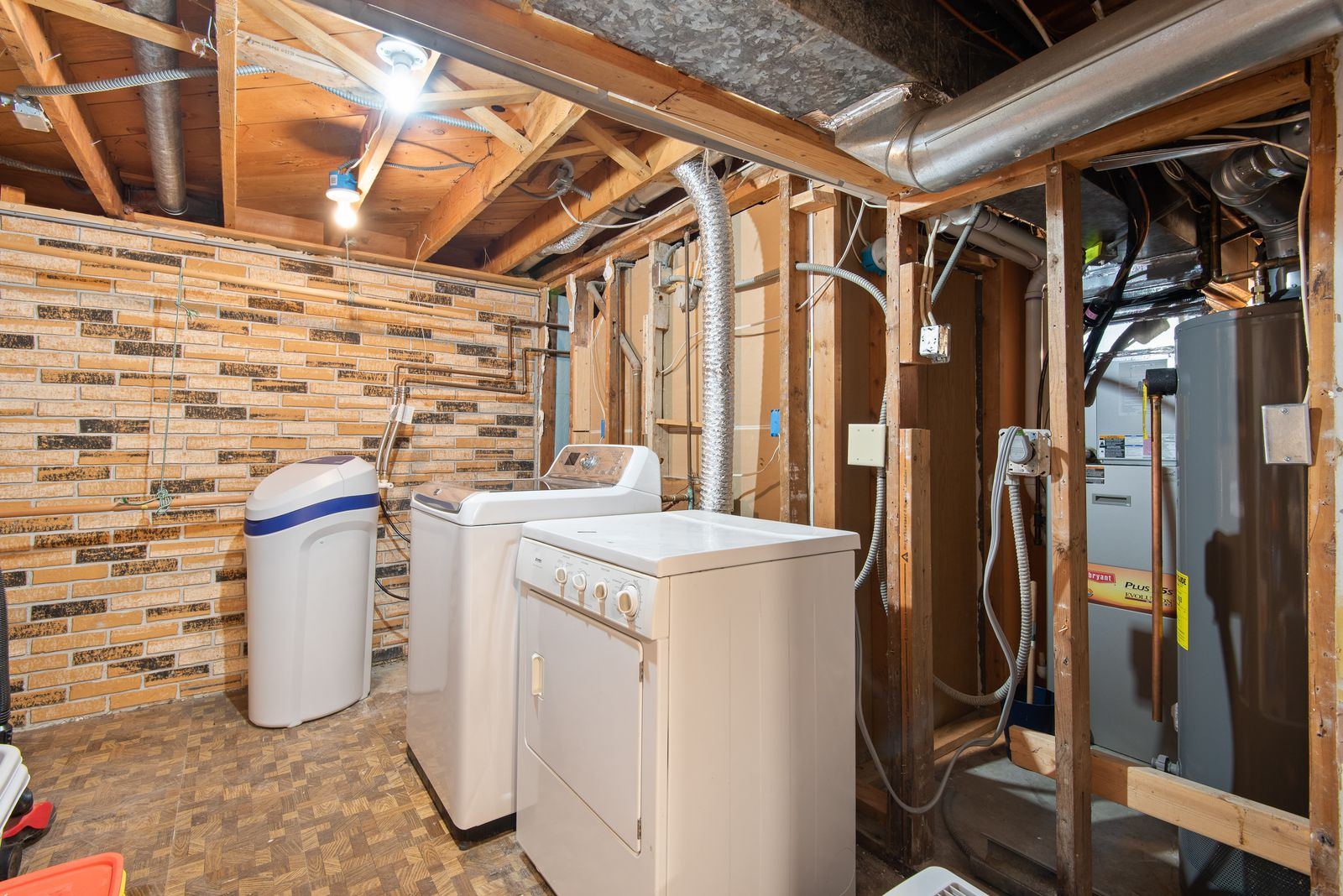
How to Tell Something Is Wrong
Catching a symptom early is often the difference between a quick part swap and a tank that gives out on the garage floor. Here are the most common indicators that it's time to call a professional:
- Signs of backdrafting, such as soot, condensation, or an exhaust smell at the vent
- Leaks at the drain valve, the fittings, or the bottom of the tank
- A tank that pops and bangs while it heats, a classic sign of sediment
- A pilot light that will not stay lit
- Less hot water than the tank should deliver
- A yellow, lazy, or sooty burner flame instead of a crisp blue one
- Any smell of gas around the appliance, which calls for leaving and phoning the gas utility
- No hot water at all, with the burner never firing
Don't Wait for a Total Failure
A little rust-colored water or a relief valve that drips now and then can be the first hint of a tank that is close to the end. If you notice any of these signs, contact Irvine Water Heater at (949) 810-4973 for a prompt inspection.
Get Gas Water Heater Services Handled Today
One call gets a technician scheduled and a clear price before any work starts.
Get Help: (949) 810-4973Frequently Asked Questions About Gas Water Heater Services
What a Trained Technician Brings to the Job
Gas water heaters are among the riskiest appliances to work on without training, largely because you cannot see the biggest hazards. A fitting that is almost tight can seep gas for days before anyone notices. A vent connector that has lost its slope, or a flue partly blocked by debris, can let carbon monoxide spill into the house every time the burner fires, with no smell to warn you. And many repairs, including gas valve and heater replacement, require a permit and inspection in most areas. Relighting a pilot by following the label is something most homeowners can do; almost everything past that deserves a technician.
Our technicians approach gas heaters with instruments rather than assumptions. They check thermocouple output in millivolts, read gas pressure at the valve, test draft at the hood, check for CO around the appliance, and leak-test every joint they touch. That process fixes the actual fault the first time and leaves your home safer than before. We also give you an honest assessment of the heater itself. A tank past about ten or twelve years with a failing valve or a leak is usually a replacement, and you will hear that from us before you spend money on a repair.
Our Gas Water Heater Services Process
Our workflow is simple and thorough, so nothing gets missed between the fuel supply and the relief line. Here's what you can expect when you choose Irvine Water Heater:
Find the Real Fault
Before a single part is changed, we confirm the heater is safe to work on and test each part of the ignition, gas, and venting systems to pinpoint the failure.
Clear Answers & Upfront Price
No surprises. We explain the fault and the fix, quote it up front, and give you an honest repair-versus-replace answer on older heaters.
Same-Visit Repair
Common parts ride on our trucks, so most repairs are done in one visit. When a new heater is the answer, we handle the gas connection, venting, and required safety items.
Verified Safe Operation
With the burner running, we check every gas joint for leaks, confirm the vent drafts properly, and verify the burner flame and water temperature before we leave.
Prevention Tips That Actually Help
Routine maintenance is almost always cheaper and easier than an early replacement. Start with these practical measures our team relies on:
- Keep working CO alarms near bedrooms and on each floor
- Vacuum lint and dust from the flame arrestor screen at the base a few times a year
- Never store flammable liquids near a gas water heater
- Check that the vent connector is secure and rising toward the chimney or flue
- Drain sediment from the bottom of the tank once or twice a year
- Check the anode rod every three to five years, since it protects the tank from corrosion
- Keep the thermostat around 120 degrees to save energy and reduce scalding risk
Comparing DIY and Professional Work
A few tasks, like checking the temperature setting or lifting the relief valve lever to test it, are fine for homeowners, but most water heater work involves gas lines, venting, 240-volt circuits, or a tank full of scalding water, and that belongs with a professional. Here's how the two approaches stack up:
| Factor | Doing It Yourself | Professional Service |
|---|---|---|
| Diagnosis | Guess between pilot, valve, and draft problems | Instruments pinpoint the actual failure |
| Gas Leaks | Joints tightened without a proper leak test | Every joint leak-tested before we leave |
| Venting & CO | Carbon monoxide risk unchecked | Draft tested and CO measured |
| Permits & Code | Straps, pan, and expansion tank missed | Permit handled where required |
| Sediment & Tank Care | Sediment left to bake on the bottom | Honest read on the tank's remaining life |
| Result | Symptom patched, cause remains | Lasting repair, confirmed by testing |
Get Gas Water Heater Services Help Today
Get your hot water back before a small fault turns into a flooded floor. Irvine Water Heater is ready to respond fast.
Call (949) 810-4973 NowAreas We Serve for Gas Water Heater Services
Our service area reaches well past the city limits. Choose your community for local details.