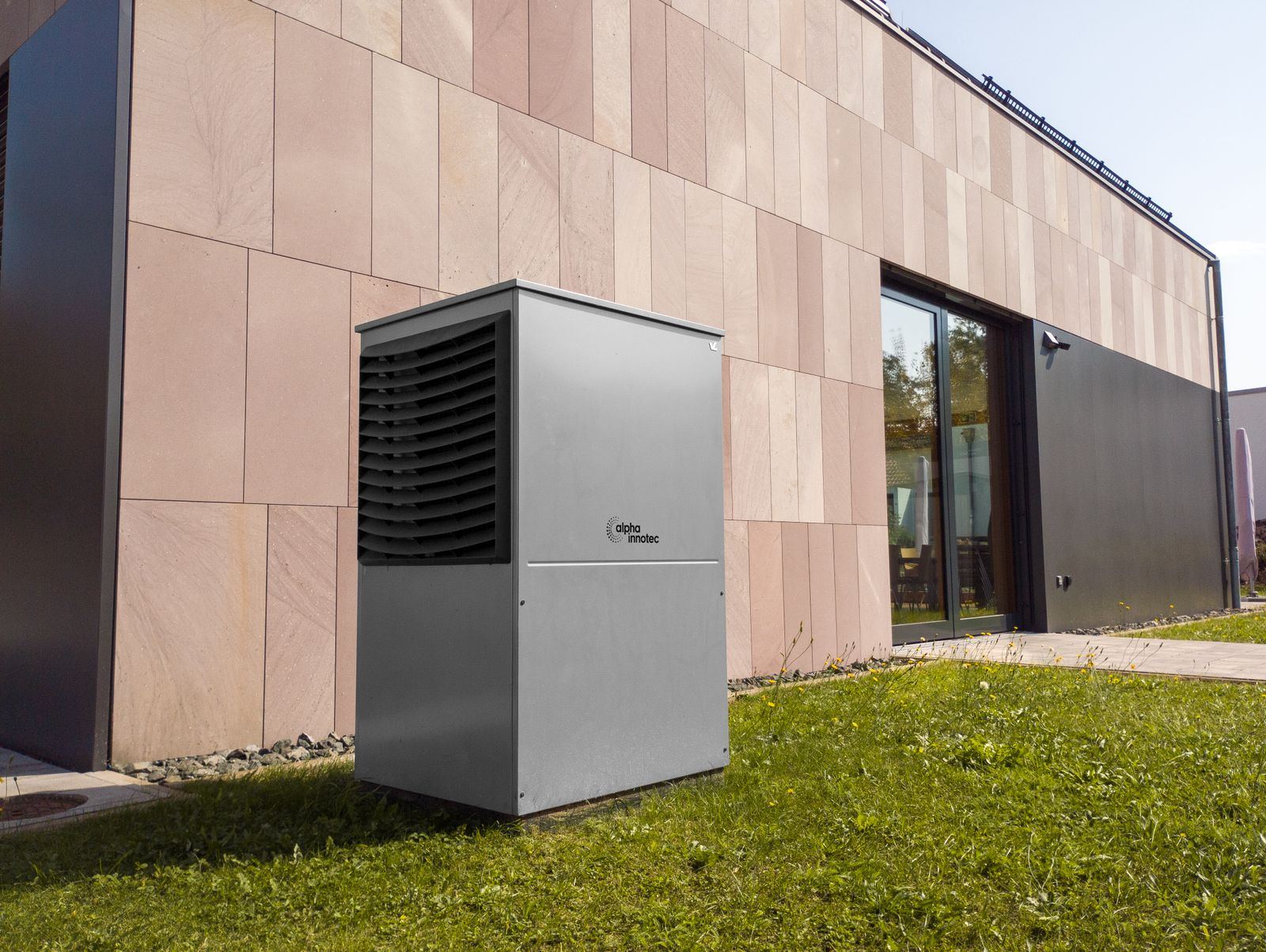
A heat pump water heater works like a refrigerator running in reverse. A small compressor and refrigerant loop sit on top of an insulated tank, pulling warmth out of the surrounding air and pushing it into the water. Because the unit moves heat rather than generating it with a resistance element, it needs far less electricity than a standard electric tank would burn for the same shower. That is why these units carry Uniform Energy Factor ratings around 3 or higher, compared with roughly 0.9 for a conventional electric model, and why so many Irvine, CA homeowners who heat water with electricity are seriously considering the switch.
There is a catch: a hybrid needs air to work with. Most manufacturers call for roughly 700 cubic feet of surrounding space, about the volume of a 10 by 10 room with a typical ceiling, or ducted intake and exhaust where the room is smaller. Because it pulls heat out of the air, it leaves that space a few degrees cooler and noticeably drier, which works nicely in a warm garage or damp basement and less welcome in a closet next to a bedroom. It also produces condensate that needs a reliable path to a floor drain or a condensate pump, and the compressor and fan hum at roughly the level of a quiet window air conditioner. Most models need a dedicated 240-volt circuit, though some newer 120-volt units are designed for an ordinary outlet. None of that is complicated, but every item decides whether the unit delivers.
Once the unit is in place, mode selection and sizing decide the monthly bill. Heat pump only mode squeezes out the most efficiency; hybrid mode lets the elements help during heavy draws; high-demand mode leans on the elements for guests or big laundry days. Since the compressor heats at a gentler pace than resistance elements, we often size a hybrid slightly larger than the tank it replaces so the backup elements rarely switch on. Installation includes the drain pan, a verified condensate route, a correctly sized circuit and breaker, code-required items like an expansion tank where applicable, and a walkthrough of the controls. Incentive programs, from utility rebates to federal tax credits, cover many qualifying models; we will point you to the ones to look into, though final eligibility is always up to the program. Call (949) 810-4973 to plan a hybrid water heater for your Irvine home.
Most of our service calls are for Water Heater Installation in Irvine. That's the place to start for most homes.
Signs You Need Heat Pump Water Heaters in Irvine
Water heaters usually give plenty of warning before they fail, as long as you know what to look and listen for. Keep an eye out for the following:
- Rooftop solar that pairs well with efficient electric appliances
- Humidity problems in the space where the water heater sits
- A warm utility space the heat pump can draw from
- Power bills where water heating is a large and steady line item
- An aging electric water heater you want to replace before it fails
- Open space around the current water heater, such as a basement or garage
- A plan to take advantage of efficiency incentives where they apply
- An electrical setup already sized for an electric tank
Don't Wait for a Total Failure
A worn-out anode rod, a sediment-choked tank, or a weak thermocouple rarely fixes itself, and the repair usually costs more the longer it waits. A quick call to (949) 810-4973 gets a technician out to check it before it becomes an emergency.
Talk to Us About Heat Pump Water Heaters
Call Irvine Water Heater for fast, reliable service.
Get Help: (949) 810-4973Common Questions We Hear
What a Trained Technician Brings to the Job
A hybrid brings three systems together: water, electricity, and refrigerant. Each has its own requirements. Water connections need a relief valve discharge piped to a safe point and, on closed systems, an expansion tank. Electrical work means a dedicated circuit and breaker that match the nameplate, which may not be the case for the wiring left from an older tank. And the refrigerant circuit only performs if the space gives it enough air to work with. Put it in the wrong room and the unit falls back to its elements, so you pay more up front and still run like a standard electric tank.
Then come the practical hurdles. A hybrid is bulkier than a typical tank and very heavy once filled, so moving and setting it level in a pan takes planning. A gas-to-electric conversion adds a gas line to cap, an unused vent to close off, and a new circuit to run. Condensate has to drain without fail, since an overflowing line can damage floors and walls quietly. And if the sealed refrigerant system ever needs service, that work requires special training and recovery gear. We take care of every step, set the operating mode for your household, and provide the documentation you may need for rebate or tax credit forms, with no promises about what any program will approve.
From Your Call to Hot Water
Our workflow is simple and thorough, so nothing gets missed between the fuel supply and the relief line. Here's a look at each step our team takes:
Room Assessment
We measure the room volume, note how warm or cold it runs through the year, find the nearest drain for condensate, and check the electrical panel for a 240-volt circuit.
Model and Size Selection
We match the tank to how your household actually uses hot water, keeping in mind that compressor recovery is slower than an element's.
Careful Installation
Water lines, the electrical circuit, T&P discharge piping, and a properly sloped condensate route are all installed and checked before the tank fills.
Settings and Testing
After a test run, we set the operating mode and temperature and show you how to clean the air filter and use vacation mode.
Not Sure What You Need?
Call Irvine Water Heater to talk through your situation with an experienced technician.
Get Help: (949) 810-4973How to Prevent Water Heater Problems
A few preventive steps can help you avoid a cold shower or a wet floor down the road. Start with these practical measures our team relies on:
- Keep chemicals, paint, and lint sources away from the intake air
- Avoid crowding the unit with shelves or boxes that choke off airflow
- Use vacation mode when you travel instead of leaving the tank at full temperature
- Keep up with a yearly flush, since hybrids collect sediment like any tank
- Look at the condensate line now and then to make sure it is draining freely
- Clean the air filter on top of the unit every few months so the compressor can breathe
- Have the anode rod inspected every few years to protect the tank from corrosion
Comparing DIY and Professional Work
The line between a safe DIY check and a risky repair is usually the moment you need to open a gas fitting, a vent connection, or an electrical cover. Here's how the two approaches stack up:
| Factor | DIY Attempt | Hiring a Pro |
|---|---|---|
| Room Selection | Space never measured | Air volume checked, ducting planned if needed |
| Wiring | Old tank wiring assumed to be fine | Breaker and wire sized correctly |
| Condensate | No reliable drain path | Routed to a drain or pump and tested |
| Sizing | Same size as the old tank by default | Sized for peak demand and recovery |
| Operating Mode | Modes never explained | Settings chosen for savings |
| Code Items | Drain pan left out | Installed to local requirements |
Talk to Our Heat Pump Water Heaters Team
Don't let a failing water heater get worse. Call Irvine Water Heater now for prompt, professional service.
Tap to Call (949) 810-4973Heat Pump Water Heaters Near Irvine
Our service area reaches well past the city limits. Choose your community for local details.